By Megan Hargrove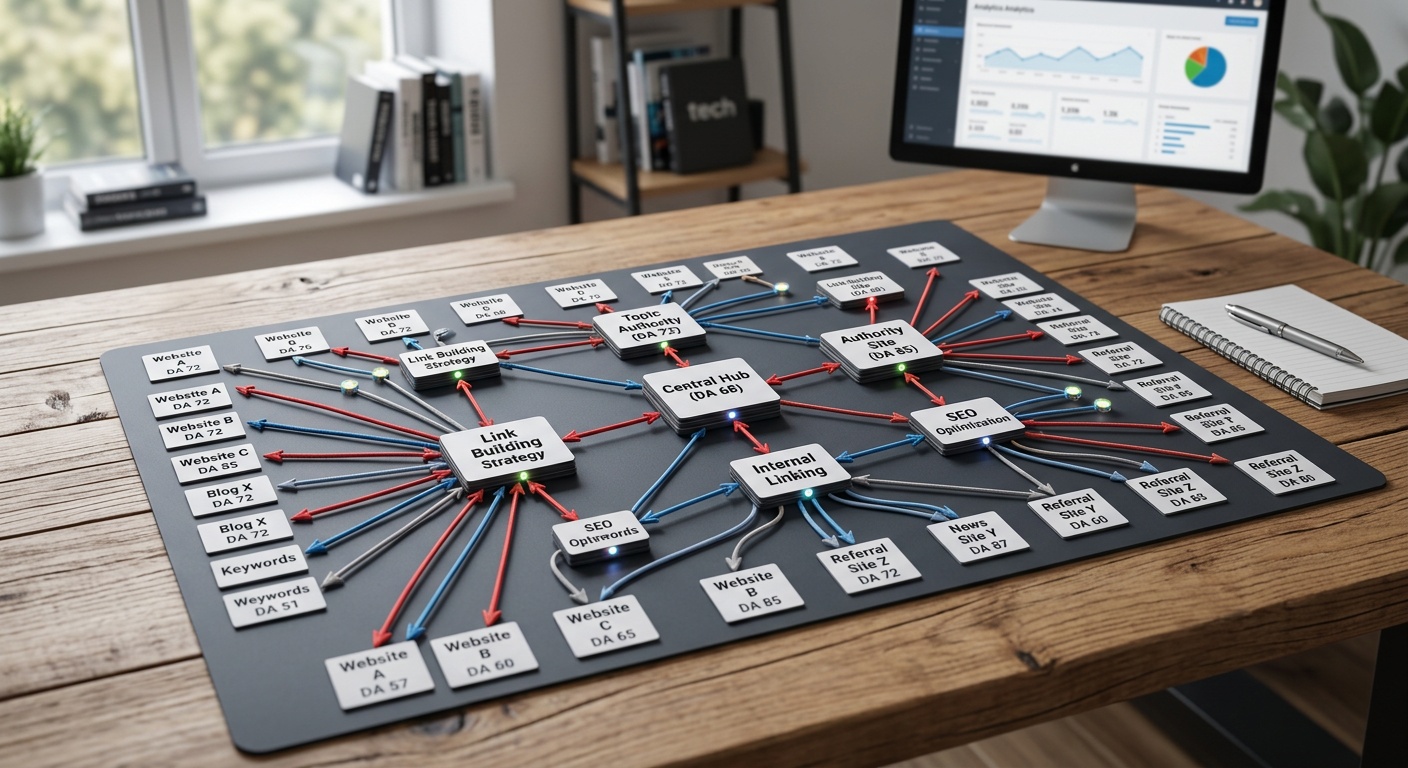
A Complete Guide to Off-Page SEO Services for Growing Brands
Reading time: 9 minutes
Ever poured months into perfecting your website’s content, only to watch a competitor with a “worse” site outrank you on Google? Chances are, they’re winning the battle you’re not even fighting: off-page SEO. In 2026, with Google’s search algorithms leaning harder than ever on trust signals, brand mentions, and authoritative backlinks, off-page SEO has shifted from “nice to have” to non-negotiable.
This guide breaks down what off-page SEO services actually involve, why they matter more now than in previous years, and how growing brands can build a strategy that doesn’t just chase rankings but builds lasting authority.
Table of Contents
- What Is Off-Page SEO, Really?
- Why Off-Page SEO Matters More in 2026
- Core Off-Page SEO Services Explained
- Off-Page vs On-Page: A Side-by-Side Comparison
- Common Challenges (and How to Solve Them)
- Case Studies: Real Brands, Real Results
- Choosing the Right Off-Page SEO Partner
- Your Roadmap Forward
- FAQs
What Is Off-Page SEO, Really?
Off-page SEO refers to every optimization action taken outside your own website to improve search visibility. Think backlinks, brand mentions, social signals, digital PR, influencer partnerships, and reputation management. If on-page SEO is about making your house look great, off-page SEO is about getting the neighborhood to vouch for you.
Here’s the straight talk: you can have flawless technical SEO and stunning content, but if no one else on the internet is talking about you, Google has little reason to trust you over a competitor with more third-party validation.
The Trust Equation Google Uses
Google’s ranking systems—refined significantly through 2025’s core updates—weigh E-E-A-T (Experience, Expertise, Authoritativeness, Trustworthiness) heavily. Off-page signals are the primary way search engines verify authoritativeness and trust because they come from independent third parties, not your own claims.
Why Off-Page SEO Matters More in 2026
According to industry benchmarking data compiled in early 2026, websites in the top three organic positions average 3.8x more referring domains than those ranking positions 7-10 for the same keyword clusters. That gap has widened compared to 2023 figures, signaling that link and mention diversity is becoming a stronger differentiator, not a weaker one.
As one SEO strategist at a mid-sized agency put it during a recent industry panel: “Content parity is the norm now. AI tools mean everyone can produce solid on-page content. What separates page one from page two is who the internet actually trusts.”
Quick Scenario: Imagine two SaaS companies with nearly identical websites, similar page speed, and comparable content depth. One has 40 high-quality backlinks from industry publications; the other has 400 from spammy directories. The first will almost certainly outrank the second within a few months—quality and relevance now outweigh raw volume.
Core Off-Page SEO Services Explained
Off-page SEO isn’t a single tactic—it’s a portfolio of interconnected activities. Here’s what a comprehensive service typically includes:
1. Strategic Link Building
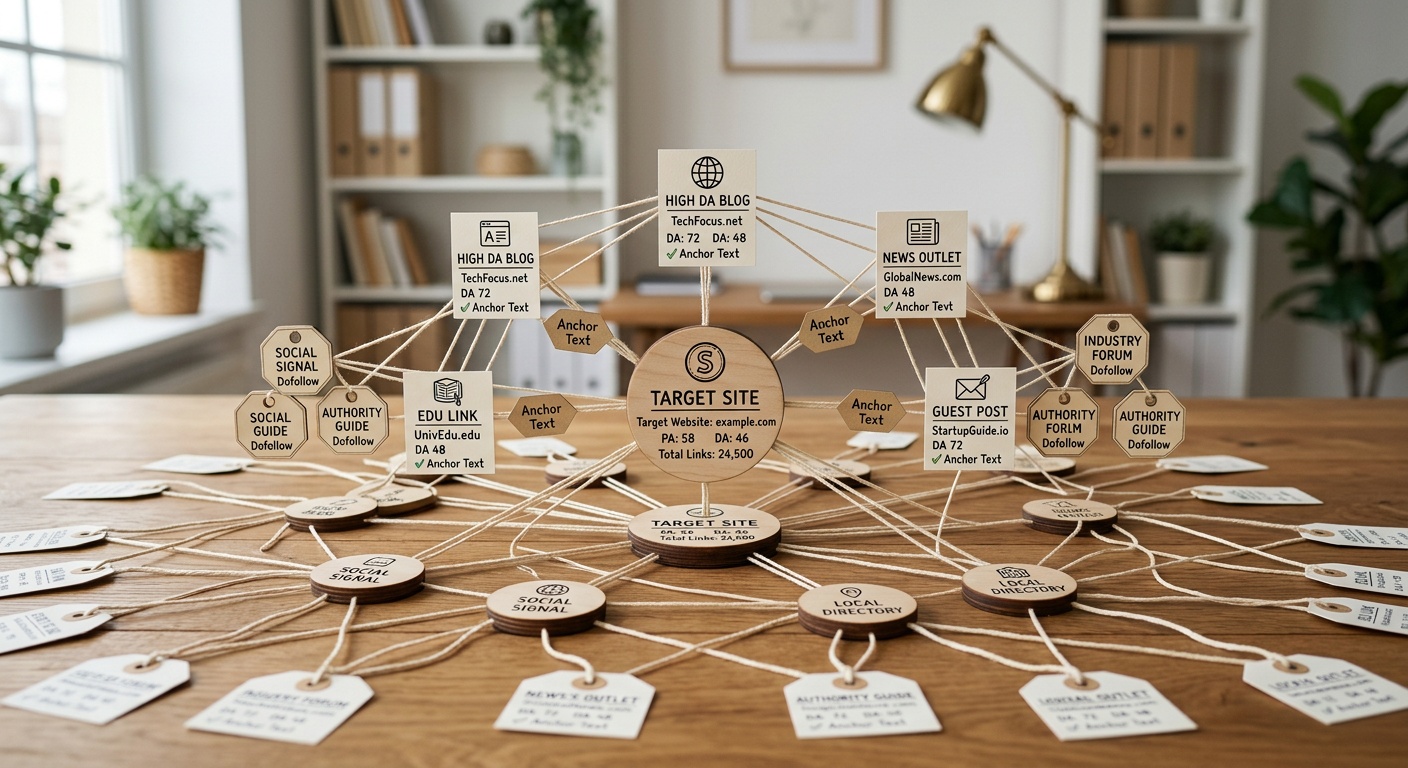
This goes beyond “getting backlinks.” It means earning links from sites that are topically relevant, editorially trustworthy, and genuinely authoritative in your niche. Guest posting, resource page outreach, and digital PR campaigns fall under this umbrella.
2. Digital PR and Brand Mentions
Unlinked brand mentions still carry weight because Google’s systems increasingly parse entity recognition, not just anchor text links. Getting featured in industry roundups, journalist requests (via platforms like Qwoted or Featured), and data-driven press releases builds this signal.
3. Social Proof and Community Engagement
While social shares aren’t a direct ranking factor, active community engagement on platforms like Reddit, LinkedIn, and niche forums drives traffic, referral signals, and indirect brand searches—a metric Google does track closely.
4. Local and Citation-Based SEO
For brands with physical locations or regional service areas, consistent NAP (Name, Address, Phone) citations across directories and active Google Business Profile management remain foundational off-page tactics.
5. Reputation and Review Management
Review velocity and sentiment on platforms like Trustpilot, G2, and Google Reviews increasingly influence local and even organic rankings, particularly for service-based businesses.
Off-Page vs On-Page: A Side-by-Side Comparison
| Metric | On-Page SEO | Off-Page SEO |
|---|---|---|
| Primary Control | Full control (your site) | Partial control (third parties) |
| Time to Results | 4-8 weeks | 3-6 months |
| Cost Predictability | High | Moderate to variable |
| Impact on Trust Signals | Indirect | Direct |
| Longevity of Results | Requires ongoing updates | Compounds over time |
Ranking Factor Weight: A Visual Breakdown
Based on aggregated 2026 SEO industry surveys, here’s roughly how practitioners weigh different off-page factors when prioritizing strategy:
Common Challenges (and How to Solve Them)
Challenge 1: Low-Quality Link Building Traps
Many growing brands, eager for quick wins, fall into buying links from low-authority private blog networks (PBNs). This isn’t just ineffective—it’s risky. Google’s spam-detection systems in 2026 are far more adept at identifying unnatural link patterns than they were even two years ago.
Solution: Prioritize a smaller number of high-relevance links over hundreds of low-quality ones. One link from a respected industry publication can outweigh fifty from generic directories.
Challenge 2: Inconsistent Brand Presence
Fragmented citations, mismatched business information, and inactive social profiles confuse both users and search engines.
Solution: Conduct a quarterly brand audit—verify NAP consistency, update social bios, and refresh outdated directory listings.
Challenge 3: Measuring ROI
Off-page SEO’s delayed feedback loop makes it hard to justify budget internally, especially for growing brands watching every dollar.
Solution: Track leading indicators—referring domain growth, brand search volume, and share of voice—rather than waiting solely for ranking movement.
Case Studies: Real Brands, Real Results
Case 1: A B2B SaaS Startup. A project management software company invested in a digital PR campaign built around original survey data on remote work trends. Within five months, they earned 62 referring domains from tier-one business publications, increasing organic traffic by 134% and reducing customer acquisition cost by nearly a third.
Case 2: A Regional E-Commerce Brand. A sustainable homeware retailer struggled with local visibility despite solid on-page SEO. By focusing on citation cleanup, targeted local influencer partnerships, and review generation campaigns, they saw a 47% increase in “near me” search visibility within four months.
Case 3: A Healthcare Services Provider. Facing reputational challenges from inconsistent reviews, this clinic group implemented a structured review response and solicitation strategy. Average review ratings climbed from 3.6 to 4.5 stars in six months, correlating with a 22% lift in local pack rankings.
Choosing the Right Off-Page SEO Partner
Not all agencies offering “off-page SEO services” deliver the same value. Vet potential partners with these questions:
- Can they show real examples of earned (not purchased) media placements?
- Do they disclose their link-building methods transparently?
- Do they tie activities to business metrics, not just domain authority scores?
- Do they understand your specific industry’s authoritative publications?
Pro Tip: Ask for a sample outreach pitch they’d use for your brand. A generic, copy-paste pitch is a red flag; a tailored, research-backed angle signals genuine expertise.
Your Roadmap Forward
Off-page SEO isn’t about gaming an algorithm—it’s about building the kind of reputation that would matter even if search engines didn’t exist. As AI-generated content floods the web in 2026, third-party validation is becoming the clearest signal separating trustworthy brands from noise.
Here’s your practical next-step checklist:
- Audit your current backlink profile — identify toxic links and quality gaps.
- Launch one digital PR initiative this quarter tied to original data or a unique perspective.
- Standardize your citations across all major directories and review platforms.
- Set up quarterly reputation tracking to monitor brand sentiment and review velocity.
- Partner selectively—choose quality over volume in every outreach or link-building decision.
Growing brands that treat off-page SEO as reputation-building, not just rank-chasing, will be the ones still standing when the next algorithm update reshuffles the field. So, what’s the first trust signal you’re going to build this quarter?
FAQs
How long does off-page SEO take to show results?
Most brands start seeing measurable movement in referring domains and brand visibility within 3-4 months, though competitive industries may take 6 months or longer for significant ranking shifts.
Is off-page SEO still relevant with AI-driven search results?
Yes—arguably more so. AI-generated summaries and answer engines still pull from sources with strong authority signals, meaning brand mentions and quality backlinks remain critical for visibility even in AI-powered search experiences.
What’s the biggest mistake brands make with off-page SEO?
Prioritizing link quantity over relevance and quality. A handful of authoritative, contextually relevant links will outperform hundreds of low-value ones every time.